

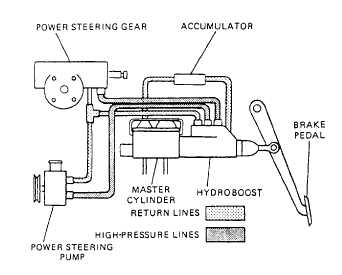
Figure 6-8. - Hydrauiic power booster system.
pump (fig. 6-8) rather than vacuum from the engine. The booster unit contains a spool valve that has an open center that controls the pump pressure as braking occurs. A lever assembly has control over the valve position and the boost piston provides the necessary force that operates the master cylinder. See figure 6-9 for a parts breakdown of the booster assembly.
In the event of hydraulic pressure loss, a spring- loaded accumulator is provided on the unit. This will provide for at least two power brake applications. The brakes will operate without the power assist unit, but the pedal pressure will be noticeably higher. AVOID DRIVING IN THIS CONDITION.
Hard Pedal (at an idle):
This problem may be caused by fluid contamination, pedal linkage binding, or a bad hydroboost unit.
High Pedal and Steering Effort:
A loose or broken power steering belt, low pump fluid level, low engine idle, a restriction in one or more hydraulic lines, or a defective power steering pump will cause these symptoms.
Slow Pedal Return:
Slow pedal return can be caused by pedal linkage binding, a restricted booster hydraulic line, or an internal problem with the hydroboost unit.
Pedal Pulsation:
Pedal chatter/pulsation is caused by a loose or slipping drive belt, low power steering fluid level, a defective power steering pump, or a defective hydroboost unit.

Figure 6-9. - Hydraulic power booster assembly.
Continue Reading